
Santa Cruz Rental Neighborhoods: What Owners Should Expect by Area
Santa Cruz Rental Neighborhoods: What Owners Should Expect by Area
Key Takeaways
- Rental demand, tenant profiles, maintenance needs and rents differ across Santa Cruz County, so a home in a beach neighborhood, a campus-adjacent area and a mountain community should each be priced, marketed and maintained differently.
- The most reliable way to set expectations is to study current listings of comparable homes in the same area, not countywide averages or a neighbor's number.
- Rules and conditions vary by city and county, so verify current requirements and ask a local professional for the specifics of your address.
This guide, by
C&C Property Management offers a general look at what owners should expect by type of area. It does not quote specific rents or statistics, since they change constantly. It is general education, not financial or legal advice.
Use it as a framework for questions to ask, and confirm details with current listings and a local professional.
A useful habit is to keep a short written profile for each property you own: the likely tenant, the typical rent range from current listings, the main
maintenance risks and the rules that apply. Reviewing it before each lease keeps your decisions grounded in facts.
Why Location Changes Everything
Location determines your tenant pool. Tenants choose where to live based on commute, lifestyle, school preferences, budget and what they want from the home.
An owner who understands who is likely to rent in a particular area can price more accurately, advertise to the right audience and prepare the home accordingly. Location also shapes your costs.
Homes close to the coast face moisture and salt exposure, homes in wooded areas face debris and fire-season concerns and older neighborhoods face the wear that comes with age. Knowing the typical issues in your area helps you budget for repairs and choose the right preventive work.
Coastal Neighborhoods
Homes near the ocean tend to draw strong interest because of the lifestyle. Tenants may include professionals, remote workers, couples and families who value beach access. Competition for desirable homes can be keen, and presentation matters.
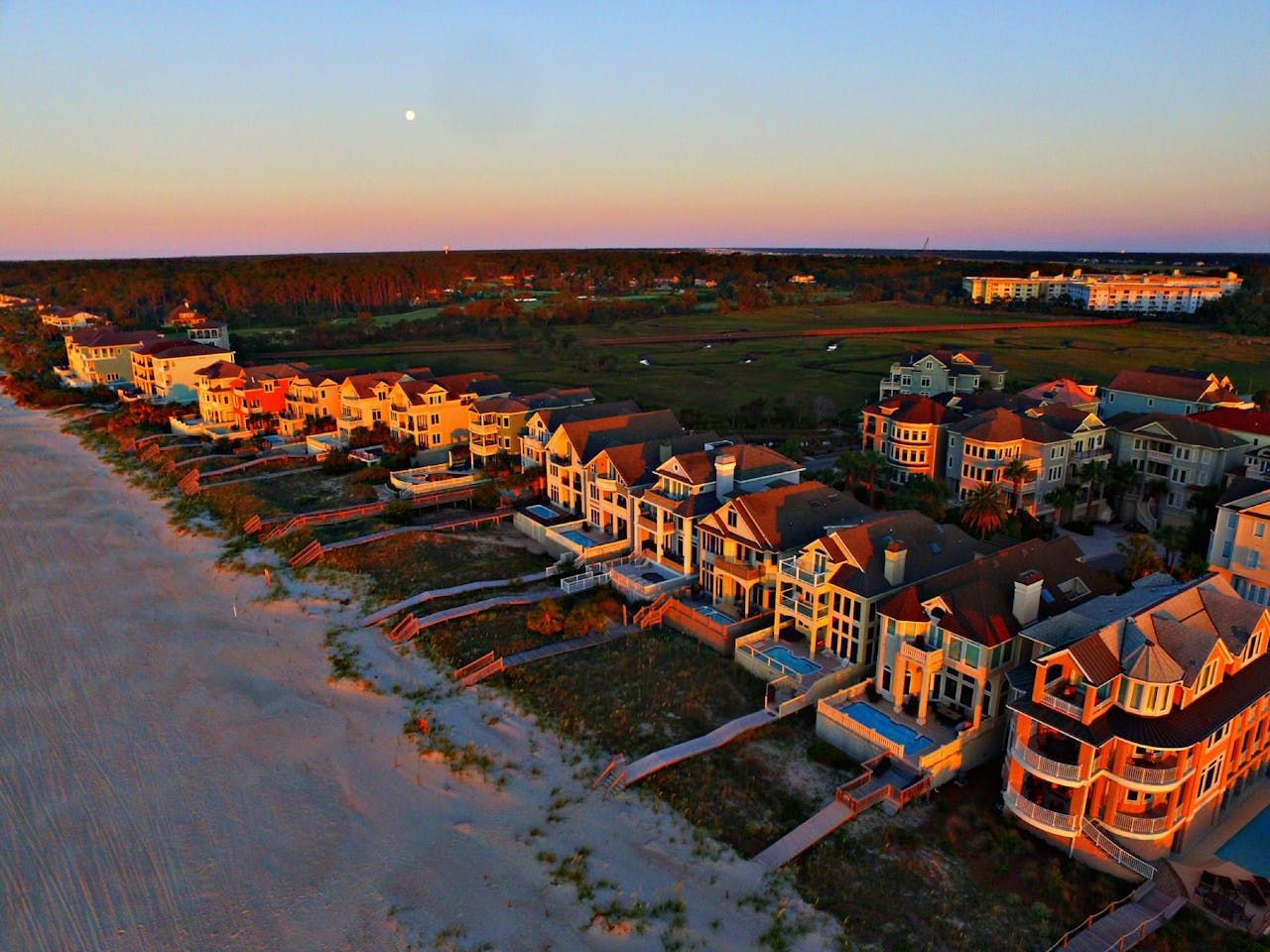
Owners should expect higher maintenance demands from the environment. Salt air and moisture can affect paint, metal fixtures, decks, windows and roofing, so inspections and timely repairs are important. Ask about flood and storm risk, and review insurance coverage carefully.
Parking, noise and tourist traffic can also influence how a home is perceived and what tenants expect.
Areas Near the University
Neighborhoods close to the University of California, Santa Cruz attract students, faculty, staff and others tied to the campus. Demand often follows the academic calendar, with activity peaking before the school year, so timing your listing matters.
Homes in these areas may see heavier wear from shared households and frequent turnover. Durable flooring, simple finishes and clear lease terms about occupancy, guests, noise and trash can help.
Think carefully about the number of occupants permitted, and make sure the lease and your practices comply with fair housing and local rules. Verify current requirements and consult a qualified attorney with questions.
Downtown and Central Areas
Central neighborhoods appeal to tenants who value walkability, restaurants, shops and transit. They often attract professionals, couples and small households. Smaller homes, older buildings and units with limited parking are common.
Owners should expect tenants who care about convenience and may be sensitive to noise and parking.
Older buildings can bring plumbing, electrical and insulation issues, so a careful inspection before leasing is wise. Clear communication about shared spaces and responsibilities prevents misunderstandings.

Older central buildings may also have shared walls, shared utilities or limited storage, and tenants in these homes often value quick responses to noise or access concerns.
Setting expectations about quiet hours and shared areas at move-in can prevent small frictions from growing.
Family-Oriented Suburban Areas
Areas with larger lots, quieter streets and a family feel tend to draw tenants who want space and stability. These tenants often stay longer, which reduces turnover costs.
They may care about yard condition, storage, safe streets and school considerations, and they may be more likely to have pets.
Owners should be ready to address
landscaping, fencing and outdoor maintenance, and should decide on pet policies in advance, within the law. A well-kept yard and a home in good repair help attract and keep responsible tenants.
Because these tenants tend to stay longer, renewals matter. Offering a fair renewal and responding promptly to repairs often costs less than the turnover,
vacancy and re-marketing that follow when a good tenant leaves.
Mountain and Wooded Communities
Homes in the hills and forested areas offer privacy and natural beauty, and they appeal to tenants who want a quieter lifestyle. They also come with distinct responsibilities. Access roads, septic systems, wells, steep driveways and vegetation management can all matter.
Owners should check insurance availability and cost, since wildfire risk affects coverage in some areas, and should confirm what the lease requires of tenants regarding defensible space and upkeep.
Commute times over mountain roads can also affect who wants to rent. Clear expectations in the lease are especially important for properties with special systems.

Provide written instructions for the systems tenants will use, such as how to maintain a septic system, what to do if a well pump fails or who to call about a downed branch. Clear instructions reduce damage and disputes.
Smaller Coastal Towns and Nearby Communities
Surrounding communities each have their own character, price points and tenant profiles. Some draw commuters who work elsewhere in the region, while others attract retirees, families or seasonal renters.
Rents and demand can differ meaningfully even among neighbors a short drive apart. Do not assume that a rent that works in one community applies to another.
Look at homes similar in size and condition within the same community, and check how long they take to lease. If you are unsure, a local manager can describe current demand for your specific address.
How to Research Your Own Area
Use a consistent method for any neighborhood. Start with current listings of homes like yours, including size, bedrooms, bathrooms, condition and amenities.
Note the asking rents, how long listings stay active and whether prices are being reduced. Ask a local professional what they are seeing in real leases, since asking rents and final rents may differ.
- Compare similar homes in the same neighborhood, not the whole county.
- Note how long listings stay on the market.
- Adjust for condition, parking, outdoor space and features.
- Be conservative, and avoid anchoring on the highest listing.
- Revisit your estimate when conditions change.
Rules That Vary by Location
California has statewide
landlord-tenant laws, and cities and the county may add their own requirements. Some rules affect rents, notices, inspections or registration, and the rules that apply to your property can depend on the jurisdiction, the type of home and when it was built.

Confirm which rules apply to your address before you set rent or sign a lease. Verify current requirements from official sources, and consult a qualified attorney with legal questions. Do not rely on what worked for a neighbor, since details may differ.
Bottom Line
Santa Cruz County has many markets in one. Understand who rents in your area, what the home will cost to maintain and which rules apply to your address, and price based on current comparable listings.
Use local expertise where you can, and verify requirements before you act.
C&C Property Management serves Santa Cruz and the surrounding area. Call 831-372-1964 to talk about your rental.
Frequently Asked Questions
Do Rents Differ Much Between Santa Cruz Neighborhoods?
They can, because location, home type, condition and tenant demand all vary. Compare current listings of similar homes in your specific area rather than relying on countywide figures.
What Should I Expect if My Home is Near the Coast?
Expect strong interest but higher maintenance needs from moisture and salt air. Plan for regular inspections, and review your insurance coverage for storm and flood risk.
Is a Home Near the University a Good Rental?
It can be, with steady demand tied to the academic calendar, but wear and turnover may be higher. Durable finishes and clear lease terms help. C&C Property Management can discuss your property at 831-372-1964.
What Should Owners in Wooded Areas Consider?
Consider access, vegetation management, special systems such as wells or septic and insurance availability. Be clear in the lease about tenant responsibilities.
How Do I Find Out What Rules Apply to My Rental?
Check state, county and city requirements for your address, and consult a qualified attorney. Do not assume the rules match those for a home elsewhere in the county.