

Risks of Having a Vacant Rental Property

Key Takeaways
- Empty properties still incur expenses (utilities, maintenance, marketing) and can hurt long-term profitability.
- Unoccupied homes are more vulnerable to squatters, theft, vandalism, and unauthorized use.
- Issues like leaks, mold, or system failure often escalate without regular monitoring.
- Regular inspections, upkeep, and quick tenant placement help minimize risks and protect property value.
In California’s fast-moving rental market, a vacant property may seem like a short pause between tenants. In reality, even a brief vacancy can expose landlords to a range of risks that go far beyond lost rent.
From physical damage to legal complications, an empty unit often becomes more vulnerable the longer it sits unused.
Understanding these risks allows property owners to take proactive steps, protecting both the condition of the property and its long-term performance. In this article, C&C Property Management will take a closer look at what’s at stake when a rental remains unoccupied.
Loss of Income
The most obvious consequence of a vacant property is interrupted cash flow. Without a tenant, there’s no rental income to offset mortgage payments, insurance, taxes, or ongoing maintenance.
Vacant properties often require:
- Continued utility payments to maintain basic systems.
- Ongoing landscaping or exterior upkeep.
- Marketing costs to attract new tenants.
In high-cost areas across California, even a few weeks without income can add up quickly. Extended vacancies can also create pressure to lower rent or accept less-qualified applicants just to fill the unit.
Over time, this can affect the overall profitability of your investment and reduce your ability to reinvest in property improvements.
Increased Risk of Unauthorized Occupancy
An empty property can attract attention, and not always the kind you want. Units that appear unmonitored may become targets for squatters or unauthorized occupants.
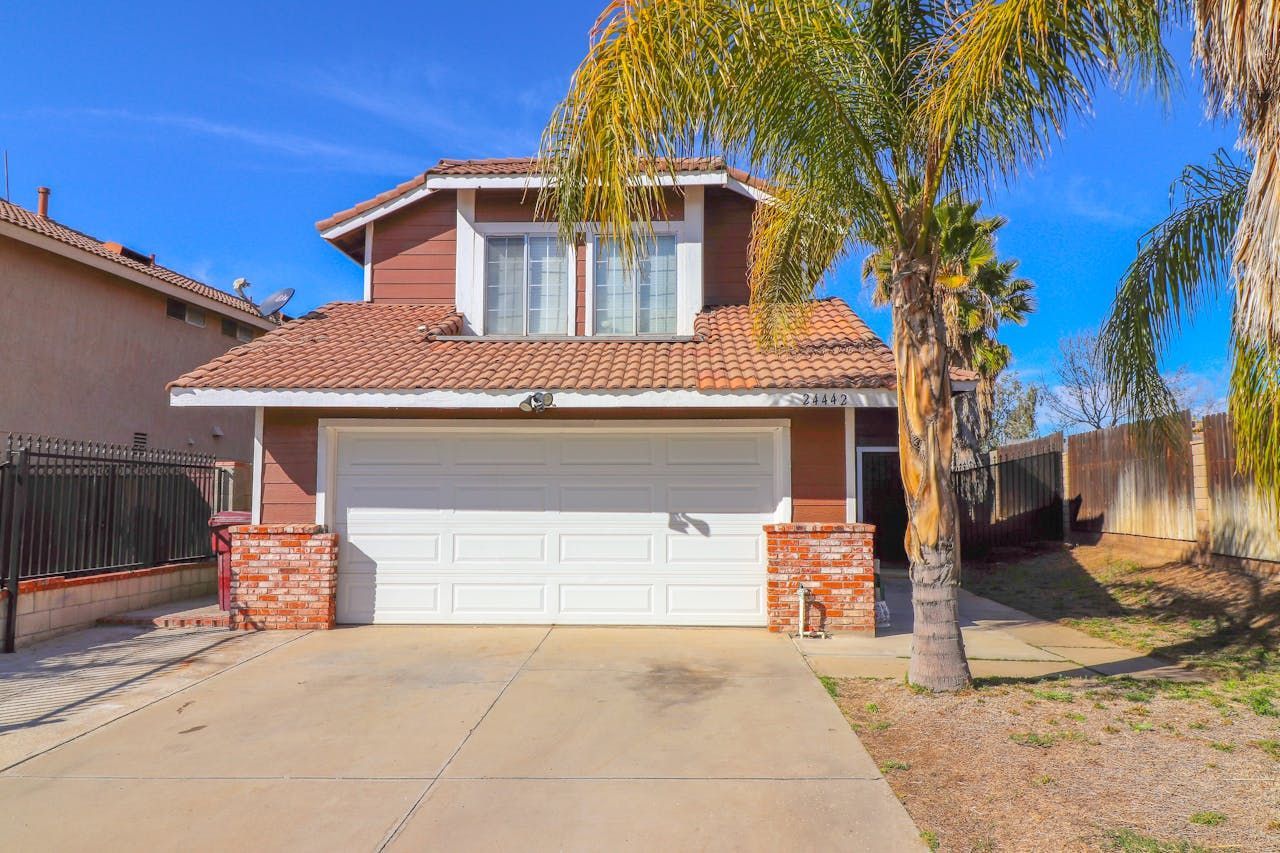
Squatters May Move-In Without Permission
If left undetected, squatters can remain in the property long enough to create legal complications.
Removing Unauthorized Occupants Can Be Time-Consuming
The process may involve legal action, court filings, and additional expenses.
Vacancy Signals Opportunity
Overgrown landscaping, piled-up mail, or lack of activity can indicate that no one is actively managing the property.
Properties that appear unattended are more likely to be approached by individuals seeking temporary shelter or misuse of the space.
In some cases, unauthorized occupants may even cause further damage or invite others to use the property, compounding the issue.
Higher Exposure to Theft and Vandalism
Vacant homes are often seen as easy targets for theft and damage. Without regular activity, there’s little to deter intruders.
Appliances, Wiring, and Fixtures Can Be Stolen
Even basic components such as copper piping or electrical materials may be removed.
Vandalism Can Occur Quickly
Graffiti, broken windows, and property damage may require extensive repairs.
Furnished Units Carry Additional Risk
Furniture and electronics increase the likelihood of theft.
In many cases, damage caused during vacancy isn’t discovered immediately, allowing problems to worsen over time. Regular monitoring can help reduce exposure, but completely eliminating this risk requires consistent oversight and preventive measures.
Fire Hazards and Safety Concerns
A vacant property can face increased fire risks due to both internal and external factors.
Unmonitored Systems May Malfunction
Heating, electrical, or ventilation issues may go unnoticed without regular use or inspection.

Trespassers Can Unintentionally Cause Fires
Improper use of the space, such as smoking or makeshift heating, can lead to serious damage.
Intentional Damage is Also a Possibility
Vacant homes may be more vulnerable to deliberate acts such as arson.
Without consistent oversight, small safety issues can escalate into major property losses. Preventive inspections and routine checks are key to identifying risks before they become emergencies.
Hidden Damage From Water and Moisture
Some of the most costly problems in a vacant property are the ones you don’t see right away.
Undetected Leaks Can Lead to Structural Damage
Burst pipes or clogged gutters may go unnoticed for extended periods.
Mold Can Develop Quickly
Without proper ventilation or climate control, moisture buildup can create unhealthy conditions.
Water Damage Spreads Over Time
Flooring, walls, and fixtures may require full replacement if issues are not addressed early.
Unlike occupied homes, where tenants often report problems quickly, vacant units can allow damage to develop unchecked . Early detection is critical, as prolonged exposure to moisture can significantly increase repair costs and downtime.
Declining Property Condition and Curb Appeal
Even without major incidents, a vacant property can begin to deteriorate simply from lack of use and attention.
Landscaping May Become Overgrown
Neglected yards can signal that the property is unoccupied.
Exterior Wear Becomes More Noticeable
Dirt buildup, fading paint, and minor damage can affect overall appearance.
Interior Systems May Degrade Without Regular Use
Plumbing, appliances, and HVAC systems can suffer when left idle for extended periods.

This gradual decline not only affects property value but can also make it harder to attract quality tenants once the property is listed again. Maintaining appearance during vacancy helps preserve both value and marketability.
The Compounding Effect of Vacancy
Risks rarely exist in isolation. In many cases, these issues overlap and amplify each other.
For example:
- A vacant property may attract trespassers.
- Trespassers increase the risk of fire or vandalism.
- Damage goes unnoticed, leading to larger repair costs.
The longer a property remains empty, the more likely it is that multiple risks will occur at once. This compounding effect can turn a simple vacancy into a costly situation. Acting early is often the most effective way to prevent escalation.
Turning Vacancy Into a Managed Transition
Landlords who visit properties regularly, maintain exterior appearance, monitor systems and security, and move quickly to market and fill vacancies are far better positioned to minimize risk and protect their investment.
In California’s competitive rental market, reducing vacancy time and maintaining property conditions are essential to long-term success. A proactive approach ensures your property remains both protected and appealing to incoming tenants.
Bottom Line
Vacant rentals require consistent oversight, especially if you own multiple properties or manage from a distance. Partnering with a professional property management team helps reduce vacancy risks, secure your asset, and keep it consistently market-ready.
From proactive monitoring to efficient tenant placement, the right team keeps your property performing. Contact C&C Property Management today to get started.