Important Factors for Real Estate Investing

Key Takeaways
- Define your investment goals, assess your finances, and choose a strategy that fits your objectives.
- Strong credit, sufficient savings, and meeting mortgage requirements are essential before buying an investment property.
- Focus on location, cash flow potential, property condition, and market trends to maximize returns.
- Working with experienced real estate professionals can help reduce risk and improve long-term investment success.
Real estate investing is one of the most tested and proven ways to build long-term wealth that can sustain a person through retirement and be passed on to their heirs.
Even today, hundreds of thousands of people use real estate investing to create a pathway to financial freedom and a secure retirement.
If you are reading this, you are probably considering becoming one of those people. If this is true, then you need the right information to lay the property foundation for the journey ahead.
Investing in real estate is a multifaceted venture that requires property investors to know and master several things. But these are things that anyone with the right amount of patience and determination can learn.
In this post,
C&C Property Management talks about the most important factors property investors must know to ensure the success of their investments.
Before You Become a Property Investor
Proper preparation will improve your chances of success. Think of the following as you plan to start investing in properties.
Define Your Goals and Objectives
Your goal determines the best investment strategy for you. Are you investing for retirement, to create a second source of income, or to resign from your 9-to-5? Clear goals ensure alignment between your methods and your objectives.
Evaluate Your Situation
Assess your financial and overall readiness to become a property investor. What is your investment timeline? How risk-tolerant are you? How much do you know about the property market? How much capital and time do you have?

Save up Your Capital
How much do you need to buy your first property? You should have at least 25% of the home’s value as your down payment.
Also, think of how much money you need to set aside for the monthly mortgage (typically $500+). You also need a reserve account for months when your property is
vacant and not earning income.
Define Your Investment Strategy
Real estate investing is broad. You must know the kind of property investor you want to become. Most beginners invest in residential single-family homes using a buy-and-hold strategy. You may also consider a house flipper. But if you don’t have enough cash, start by wholesaling real estate.
Qualifying For an Investment Property Loan
Investment property mortgages carry stricter terms than residential mortgages. You must be ready to meet lenders’ tough terms:
Credit Score
To get approved for a rental mortgage, you need a credit score of 680 to 700. Compare this to the required score of 620 for residential mortgages.
Proof of Personal Income
Lenders will require proof of stable income for the past two years (W-2s, tax returns, & pay stubs if you are employed and personal & business tax returns, if you are self-employed).
Down Payment
The minimum down payment for a rental property is 15% if you are buying a single-family home. It can also be as high as 25%.
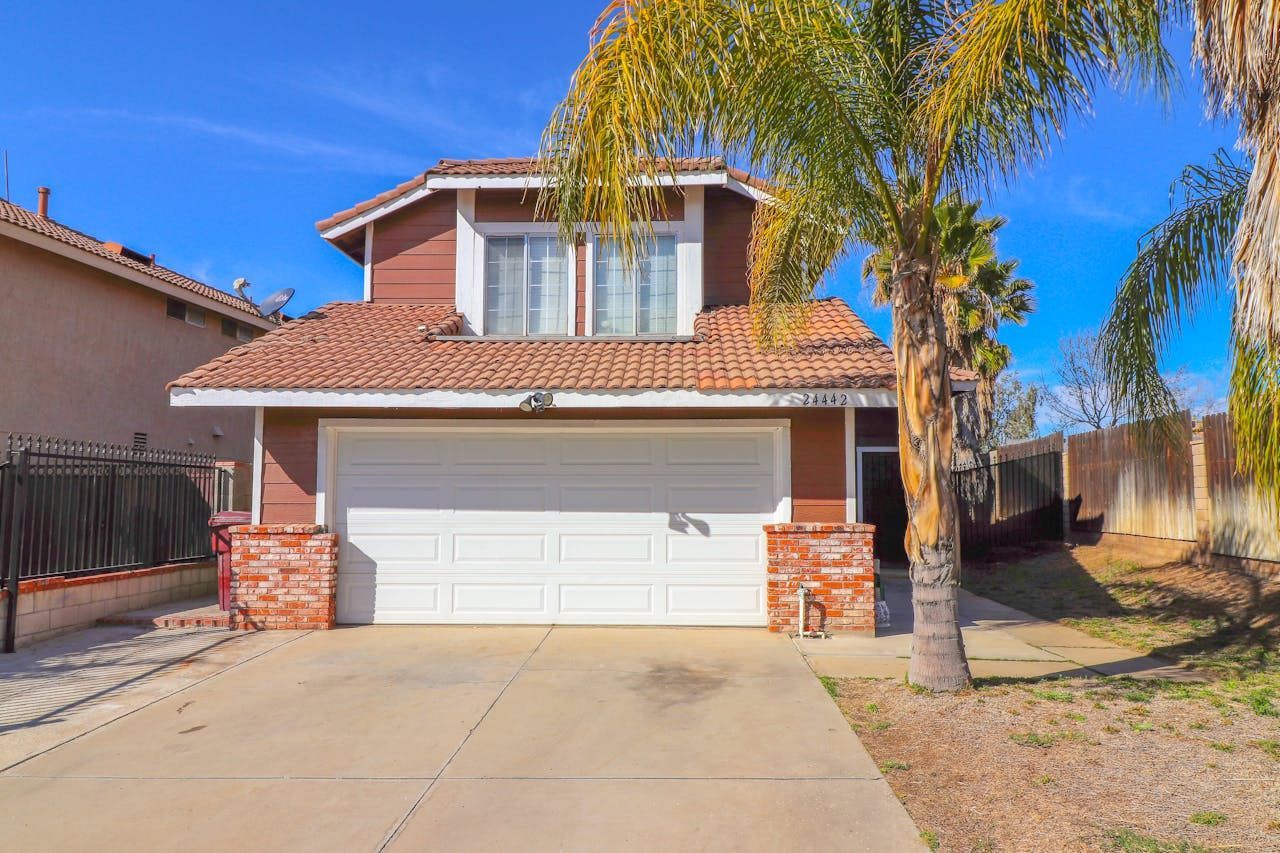
For multi-unit properties, the down payment is usually larger. Lenders also want to see substantial cash reserves and an acceptable DTI (debt-to-income) ratio
Finding the Right Investment Property
Now that you have met the prerequisites to become a
property investor, what are the important factors and steps when buying your first property?
Location
The most important element in the success of an investment property is its location. This is why you must understand the parameters that qualify a location as desirable for property investments.
Some of these criteria include: a growing job market, healthy population growth (with more young people and families with small children than retirees), easy access to proximity to diverse types of transportation systems, low crime rates, walkable streets, and lots of public amenities.
Understand Property Valuation
Valuation affects financing, insurance, property taxes, and a rental’s potential income. This step will help you determine if the property is a good deal or if it is overpriced.
There are different ways to value a property, including looking at recent sales of similar homes in the area, while taking into account their condition, etc. Valuation affects the future of your investment.
Analyze Cash Flow & Profit Potential
Before buying a property, you want to know if the rental income will be more than sufficient to cover the rental's operating costs, plus insurance, taxes, emergency reserves, etc.

To analyze the cash flow potential of a rental property, project the gross rental income from the property, estimate its operating expenses, and calculate the net operating income by subtracting total operating expenses from gross rental income.
The Condition of the Property
One of your most important decisions when buying a rental property is choosing between a new construction and an existing property. This will have implications for your future costs.
New constructions cost more money upfront but have lower maintenance costs. An existing property will have a lower sale price, but you may need to renovate it. The right choice depends on the potential ROI for each property.
Understand Market Trends
When investing in a location, you must identify the key drivers of rental demand there. These factors predict market stability. If these trends shift downwards, it can have a devastating effect on demand for your rental property and the value of your investment.
Real Estate Laws
Familiarize yourself with federal, state, and local laws that have the potential to impact your property. These include things like zoning laws, building & safety codes, rental property licensing requirements, landlord-tenant laws, caps on rent increases, Fair Housing laws, etc.
Assess the Overall Risk
The risk to the success of your investment comes from many directions. Identify these risks and the steps to mitigate them.
Common risks you should be aware of include: general market risk, location risk, vacancy risk, tenant risk, and financial risk. These risks should not deter you from investing in real estate. But you should understand them to protect yourself against them.
Bottom Line
When investing in real estate, relationships and networks matter. To facilitate your learning and accelerate your growth, while minimizing your exposure, you need the right people around you.
Who are
the experts you need to make your property investment journey smoother? You need a trusted local estate agent, a well-connected mortgage broker, a competent property attorney, an experienced CPA, and most important of all, a professional property manager.
C&C Property Management specializes in helping property owners achieve their rental property goals in California. Contact us today to get started!