Preventative Maintenance for Rental Properties
Key Takeaways
- Preventative maintenance focuses on identifying and fixing small issues early before they become costly, disruptive problems.
- Regular upkeep reduces emergency repair costs, extends the lifespan of property systems, and allows for more predictable budgeting.
- Well-maintained properties attract and retain tenants, leading to lower vacancy rates and more stable income.
- A structured schedule (seasonal, monthly, and annual inspections) ensures all systems stay in good condition and supports long-term property value.
A strategic approach to preventative maintenance is the foundation for enhancing tenant satisfaction, preserving asset value, lowering unexpected costs, and sustainable property ownership.
Instead of only reacting to issues when they occur, preventative maintenance supports anticipation. This entails identifying possible problems before they progress into expensive
repairs or cause operational disruptions.
Apart from saving time and money, this proactive approach will promote a more stable and predictable investment environment. In this article
C&C Property Management will go over how to stay on top of preventative maintenance to help your bottom line.
Understanding Preventative Maintenance
Preventative maintenance is the act of conducting routine services, inspections, and upkeep of a property’s components and systems to prevent failure and deterioration.
It includes numerous actions that range from simple activities such as cleaning gutters to more complex processes like inspecting structural elements or servicing HVAC systems.
The objective of preventative maintenance is to identify and address minor issues early before they escalate into major problems. For instance, a small leak can cause extensive water damage if left unattended.
Also, plumbing or electrical systems that are not routinely serviced can lead to failures that affect habitability. Property management can be transformed from a reactive process into a controlled, progressive strategy through preventative maintenance.
Financial Benefits of Preventative Maintenance
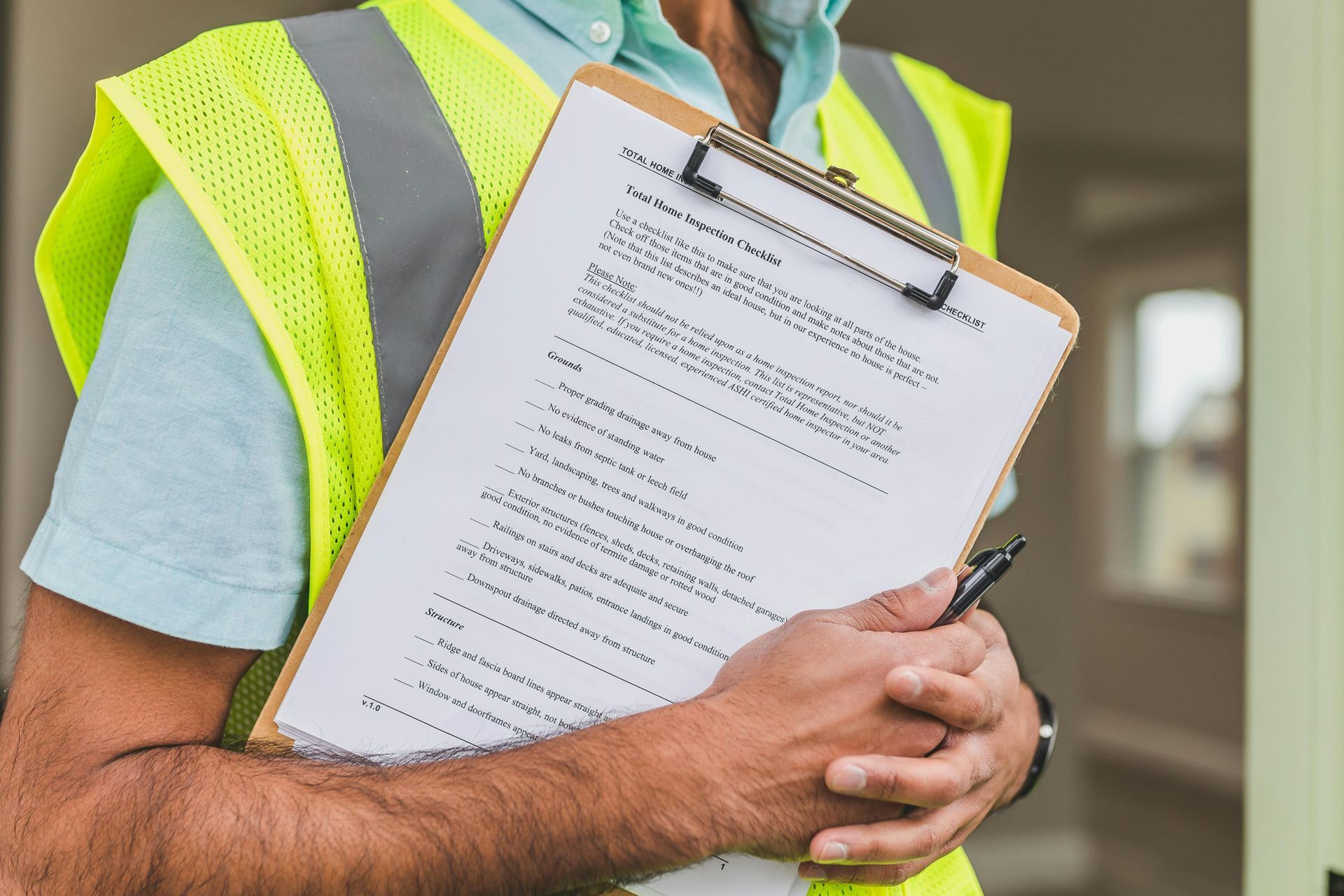
Financial benefits are among the most compelling arguments supporting preventative maintenance. Although it may require an upfront investment of time and resources, the long-term savings can be significant. Some of these financial benefits include:
Reduced Repair Costs
Scheduled maintenance is often cheaper than emergency repairs. Emergency repairs involve expedited materials, urgent labor, and additional damages due to delays.
Preventative maintenance allows landlords and property managers to handle issues under controlled situations which will help to reduce costs.
Extended Asset Lifespan
The lifespan of key property components is extended by preventative maintenance. Components that benefit from regular and preventative maintenance include appliances, electrical systems, plumbing, and roofing.
Lower Vacancy Rates
Tenants are more attracted to well-maintained properties. As a result, such properties will be less likely to experience prolonged vacancies. When a property is perceived to be more cared for and responsive to their needs, tenants will be more likely to renew their lease.
Predictable Budgeting
Landlords can plan their expenses more effectively with the help of preventative maintenance. Landlords who allocate resources systematically will improve the overall financial stability, instead of experiencing unexpected financial shocks.
Major Areas of Preventative Maintenance
To ensure comprehensive preventative maintenance strategies, all essential areas of a rental property must be addressed. Special attention and periodic evaluation must be given to each of these areas:
Structural Integrity
The core of a property’s structure is formed by the foundations, walls, and roof. To ensure prompt identification of cracks, leaks, and signs of wear that may affect stability, regular inspection is necessary. Prompt handling of these issues will prevent more extensive damage.
Plumbing Systems
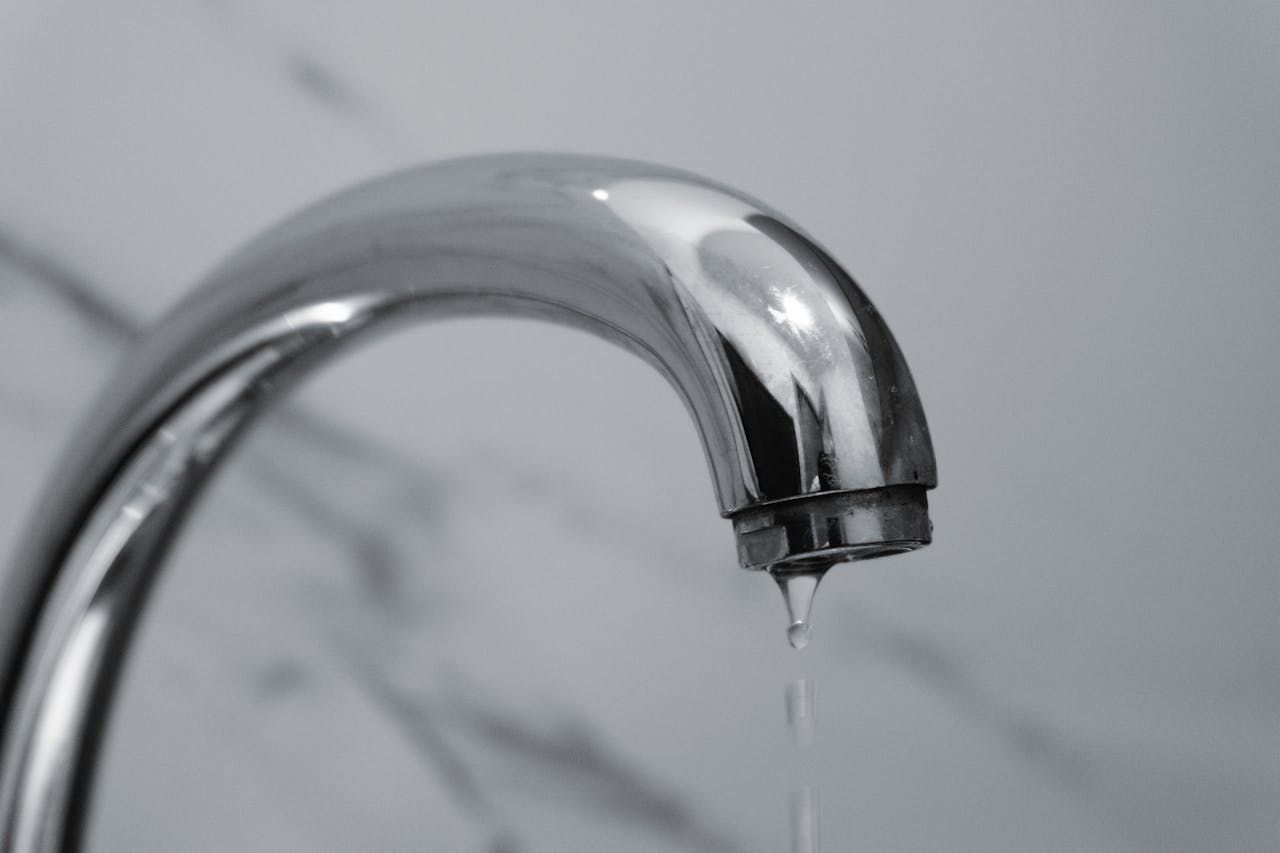
Failure to promptly address plumbing issues can escalate to severe water damage. Routine inspection for blockages, corrections, and leaks will help to prevent water damage and maintain system efficiency.
Electrical Systems
Ensuring the safety and functionality of a property requires electrical maintenance. For that reason, it is advisable to inspect circuit breakers, outlets, and wiring. Doing so will reduce the risk of hazards or failures.
Heating, Ventilation, and Air Conditioning (HVAC)
Efficient operation of HVAC systems requires regular servicing. This includes inspecting components, cleaning filters, and checking ducts. These activities will ensure energy efficiency and consistent performance.
Exterior Maintenance
A property’s exterior (drainage, paint, and landscaping) plays a crucial role in structural protection and curb appeal. Regular maintenance will help prevent deterioration due to environmental factors and weather.
Safety Features
Regular testing and maintenance of fire extinguishers, security systems, and smoke detectors are essential. Apart from being a legal obligation, ensuring these features are functional is also critical for tenants' safety.
Developing a Maintenance Schedule
Property owners are advised to have a structured schedule that ensures effective preventive maintenance. such scheduled line activities that must be performed at regular intervals. A structured maintenance schedule will include the following:
Seasonal Maintenance
Certain tasks must be performed during specific seasons. For instance, you can prevent water damage by inspecting drainage systems and roofing before the rainy season. Servicing the heating system just before winter will support tenant comfort.
Monthly and Quarterly Inspections
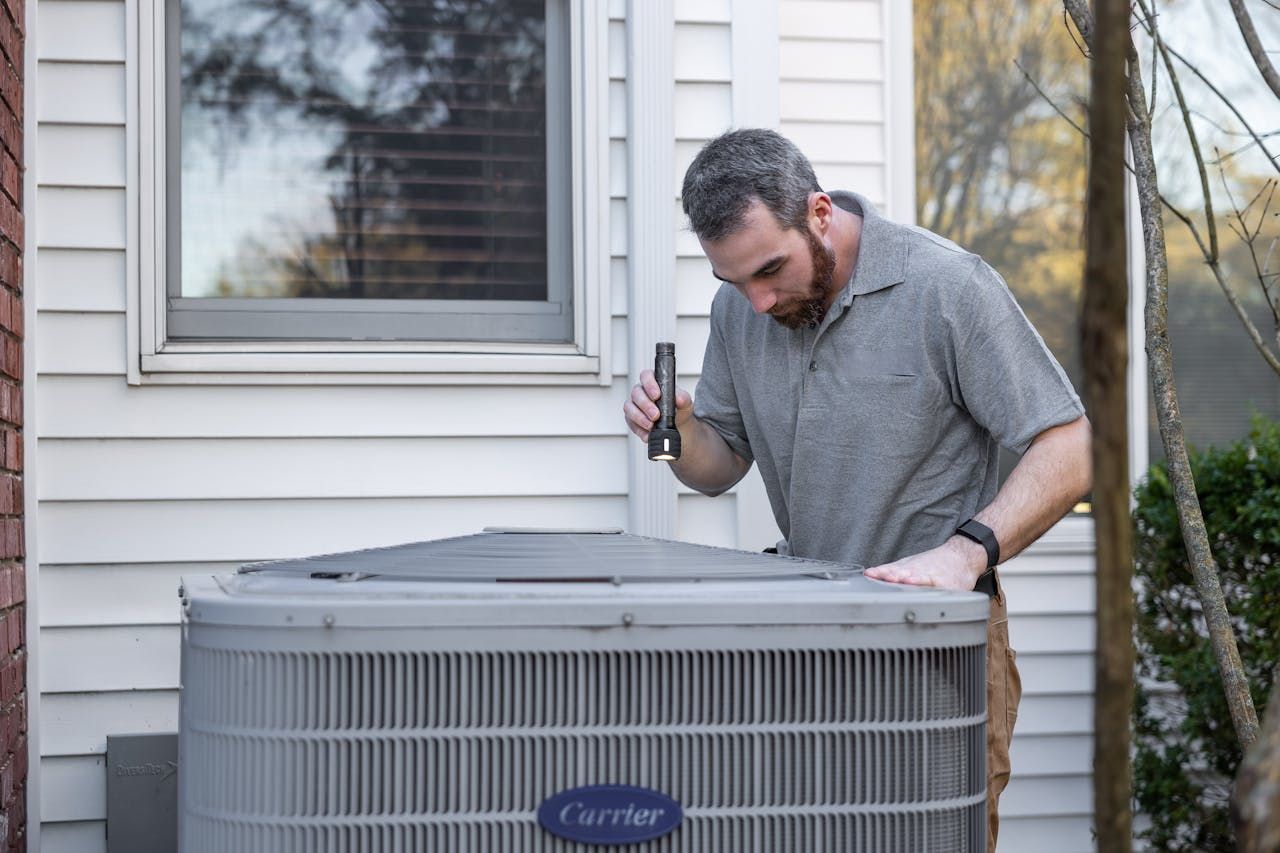
Landlords can conduct monthly or quarterly routine inspections of safety devices, plumbing fixtures, and common areas. Doing so, will help in the prompt identification and handling of issues.
Annual Inspections
Annual inspections are performed once a year to have a comprehensive evaluation of the property’s structure and systems. This type of assessment will give a general view of the property’s condition. Landlords rely on this inspection for long-term planning.
The key is consistency. Systematic implementation of preventative measures will ensure that the property is well-maintained.
Long-Term Benefits of Preventative Maintenance
Apart from immediate cost savings, the benefits of preventative maintenance include greater financial predictability, lower operational stress, improved tenant retention, and enhanced property value.
These long-term outcomes illustrate the need to include maintenance in the broader investment strategy.
Final Thoughts
Preventative maintenance provides landlords with a pathway to reduce costs, enhance property value, and increase efficiency. Consistency being the most important, it’s easy to postpone the maintenance schedule when there are no issues.
To ensure consistency with preventive maintenance, we recommend that you partner with a professional property management company. They have established systems that promote the smooth practice of preventative maintenance.
If you want more information on preventative maintenance or other property management tasks contact
C&C Property Management today!