How to Protect Your Investments from Rising Insurance Premiums
Key Takeaways
- Insurance costs are rising due to higher risk, repair costs, and fewer insurers, impacting even properties with no claim history.
- Higher premiums directly reduce cash flow and property value, and passing costs to residents isn’t always realistic.
- Proactive strategies matter. Reviewing policies, right-sized coverage and deductibles, and making risk-reducing property improvements can help control costs.
- Limiting claims, bundling policies, and working with professional property managers can stabilize premiums while maintaining proper coverage.
Rising insurance premiums have become one of the most frustrating and unpredictable costs of owning real estate. What used to be a relatively stable line item is now climbing year after year.
For landlords, these increases directly affect cash flow, long-term returns, and even the viability of holding certain properties.
C&C Property Management has laid out some strategies that you can use to reduce risk, control costs, and protect your investment without sacrificing coverage or exposing yourself to unnecessary liability.
Why Insurance Premiums Are Rising
Insurance premiums are increasing across California due to higher overall risk and higher costs to repair properties after damage. Even rental homes with no claim history are affected because insurers now rely heavily on area-wide risk assessments.
Labor shortages, rising material prices, and stricter building codes mean that repairs cost more after a loss. Insurance policies are based on replacement cost, not market value, so premiums increase as construction costs rise.
Fewer insurance companies are offering coverage in California. With less competition, premiums rise and policy terms become more restrictive for rental property owners statewide.
How Rising Insurance Costs Impact Rental Property Owners
Insurance increases affect your annual budget and can influence your profitability. Higher premiums reduce net operating income, which in turn impacts property valuation.
In rent-conscious markets, passing insurance costs directly to residents through rent increases is not always feasible or desirable. Owners who fail to plan ahead may find themselves absorbing higher costs without a clear path to offset them.

Some owners respond to rising costs by reducing coverage or increasing deductibles without fully understanding the consequences. Inadequate coverage can expose you to serious financial loss in the event of a fire, storm, or liability claim.
Review Your Policy With a Critical Eye
Many rental property owners renew policies automatically year after year without checking whether coverage limits, endorsements, or deductibles still make sense.
Confirm that your coverage is designed for rental use, not owner-occupied property. Landlord policies typically include different liability protections and loss-of-rent coverage, which are essential for income-producing properties.
Next, review your deductible. In some cases, increasing the deductible can significantly lower your premium. This strategy works best for owners with strong cash reserves who can comfortably absorb higher out-of-pocket costs in the event of a claim.
Coverage limits should reflect realistic replacement costs. An experienced insurance professional can help ensure your policy is accurate without unnecessary padding.
Reduce Risk Through Preventive Property Improvements
Insurers reward properties that demonstrate lower risk. In Carmel and surrounding areas, this often means focusing on fire mitigation, weather resistance, and general property maintenance.
Fire-resistant roofing materials, defensible space landscaping, and updated electrical systems can all reduce the likelihood of claims.
Proper drainage and regular roof inspections help prevent water damage, which remains one of the most common and costly insurance claims for rental properties.
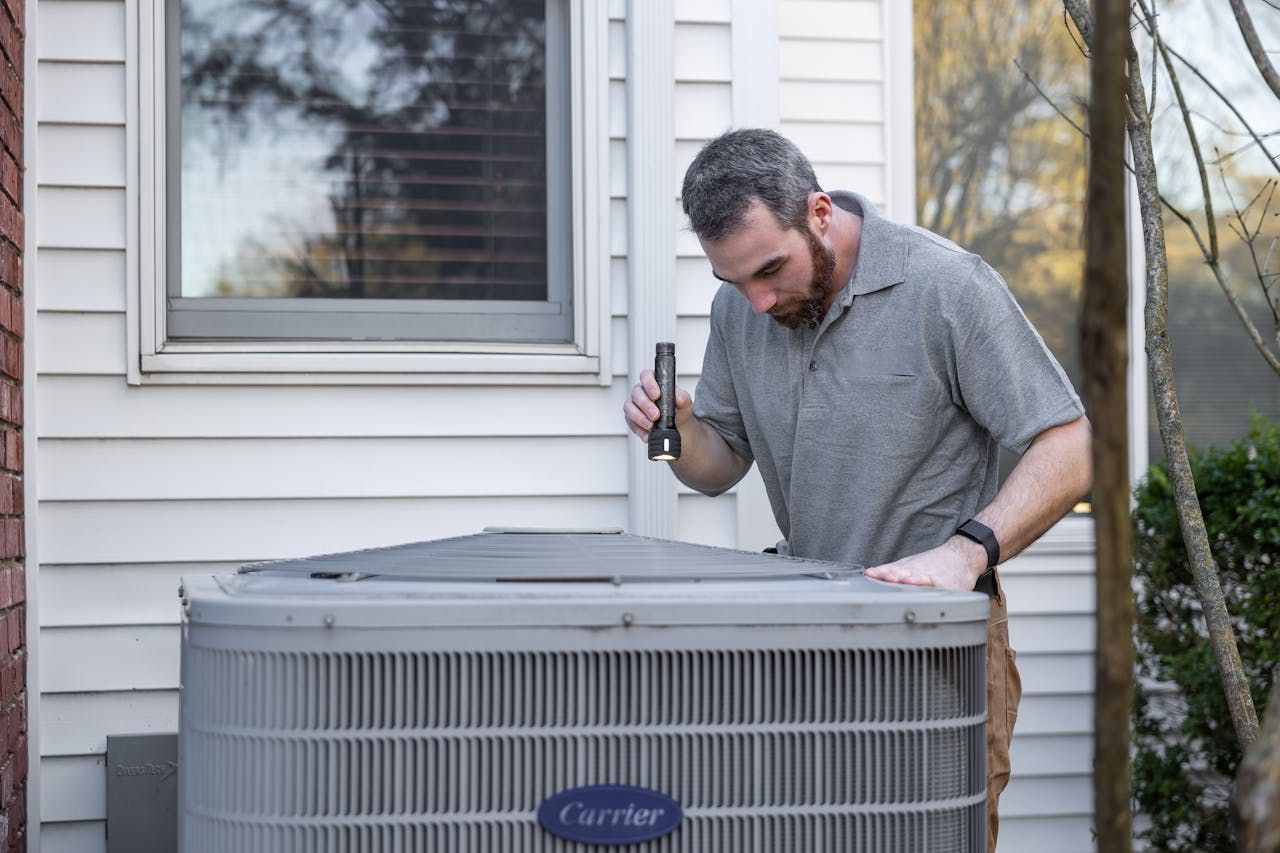
These improvements reduce maintenance emergencies, improve resident safety, and protect the long-term condition of your investment.
Limit Claims Through Proactive Management
Whenever possible, handle minor repairs out of pocket rather than filing a claim. Insurance should be reserved for significant losses.
Keeping detailed maintenance records and responding quickly to small problems can prevent them from becoming larger, insurable events.
Clear lease terms around reporting leaks, proper appliance use, and general care can reduce preventable damage and minimize risk.
Bundle and Structure Policies Strategically
Bundling properties under a single carrier or portfolio policy can sometimes result in more favorable pricing and simplified administration.
Umbrella policies can provide additional protection without dramatically increasing costs, particularly for owners with multiple rental units.
This approach can reduce the need for excessively high limits on individual property policies.
Stay Informed About Local and State Insurance Trends
Organizations like the California Department of Insurance regularly update guidelines and consumer protections related to property insurance. While you do not need to monitor every policy shift, staying generally informed helps you make better decisions and avoid surprises at renewal time.
Balance Cost Savings With Proper Coverage
Underinsuring a rental property can expose you to devastating losses that far outweigh any short-term savings.
Loss-of-rent coverage, for example, is often overlooked but critical in Carmel’s rental market. If a covered event forces residents to move out temporarily, this coverage helps replace lost income while repairs are made.

Rental property owners face unique risks related to resident injuries, property conditions, and third-party claims. Adequate liability coverage protects not only your investment but also your personal assets.
The Role of Professional Property Management in Controlling Insurance Costs
Working with a professional property management company can help rental property owners control insurance costs over time.
Experienced local managers understand common risk factors and help reduce exposure through consistent oversight and preventative care.
Property managers coordinate routine maintenance, address safety concerns early, and respond quickly to issues before they turn into insurance claims. Fewer claims and better documentation help maintain a strong loss history, which insurers consider when setting premiums.
They also enforce lease terms, screen residents, and set clear maintenance expectations, all of which lower liability risk.
In addition, property managers are familiar with insurance inspections and renewal requirements, helping owners focus on improvements that support both lower risk and more stable insurance costs.
Final Thoughts
Rising insurance premiums are unlikely to disappear soon, especially in high-demand coastal and wildfire-adjacent markets.
The most successful rental property owners are those who treat insurance as a strategic component of their investment plan rather than a fixed expense they cannot control.
By reviewing policies regularly, investing in risk-reducing improvements, managing claims wisely, and working with experienced professionals, you can protect your cash flow and preserve the long-term value of your properties.
For further assistance, get in touch with one of our experts at C&C Property Management today!